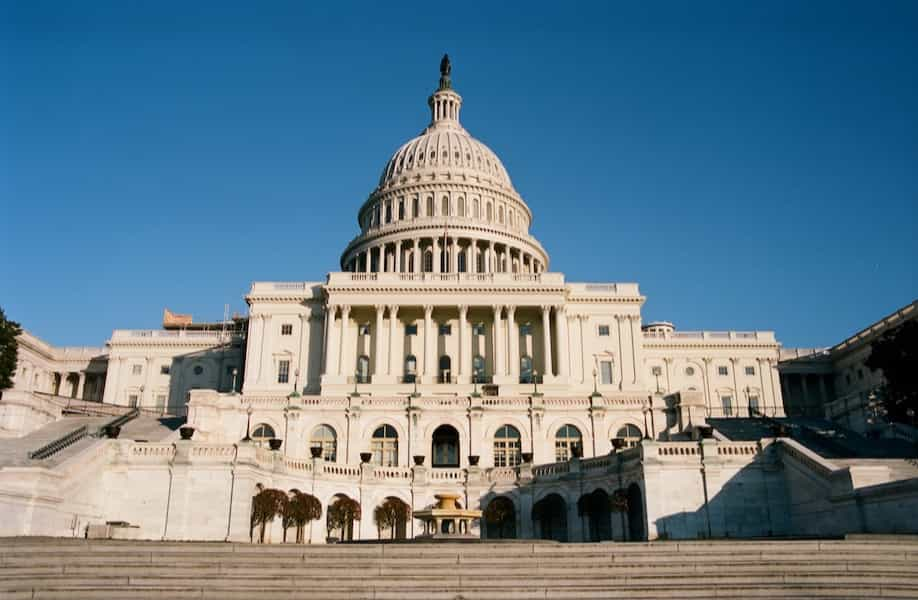
The 2026 Legislative Session ended last Thursday! It was a fast and intense session where early learning was in the spotlight a large part of the time, taking the largest percentage of reductions in the state budget.
Here is a high-level overview of the key changes that occurred and are headed to the Governor’s desk:
Working Connections Child Care (WCCC) Subsidy
For families:
- Repealed the expanded family income eligibility planned for 2029 and 2031
- For providers:
- Repealed the prospective and enrollment-based pay previously scheduled for August 2026
- Reduced center-based subsidy rates from 85% to 75% of market rate, starting July 2027
- Changed the # of days that are reimbursable based on each child’s attendance and their part/full day status
- For the market rate:
- Sets a new 40% response rate requirement for the annual survey
Professional Development
- Reduced by approximately 50% of current funding
Provider Licensing
- Adjusts mixed age group ratios to increase flexibility for staffing and meal/break times
- Waives the requirement for new staff to complete a DCYF orientation if they have completed it within the last 5 years, been in continuous employment in early learning, and the content hasn’t changed substantially
The Millionaires Tax
- 9.9% tax on income over $1mil.
- Sales tax rescinded on personal hygiene products, diapers, and over-the-counter medications
- B&O tax filing threshold doubled (a win for small businesses)
- Universal free meals in K-12
- 5% of revenue is dedicated to Fair Start for Kids
- Note: This new revenue will not be available until 2029, and there may be legal challenges to it between now and then.
Some WINS!
Several items that were proposed to be reduced at the start of session were preserved and protected. These included capping the number of households who could receive WCCC, Early Support for Infant and Toddlers (ESIT) funding, Family Friend and Neighbor (FFN) rates, and Infant and Early Childhood Mental Health Committee (IECMHC) funding.
We want to hear from YOU! Which of the topics above do you want to learn more about in our upcoming newsletters and webinars?
What Happens Next?
Following the session, the Governor has 20 days to review and take action on bills that passed. The Governor may sign it, veto part of it, or veto all of it. If the Governor vetoes part or all of it, the Legislature may reconvene to vote to override the veto. If the governor does not act on a bill after the 20 day period, the bill is treated as if it were signed.
After all of this is done we will be able to share a more detailed breakdown of items affecting early learning, and help everyone understand how it will impact the communities within King and Pierce Counties as well as across Washington. Stay tuned!
Thank you!
THANK YOU to everyone who engaged in this session in any way! Every bill sign-in, email to legislators, showing up in Olympia or at town halls, and sharing with your personal networks has made a difference!
Advocacy is Year-Round!
Just because the Washington State Legislative Session is over, advocacy and mobilizing for early learning in King and Pierce Counties is a year-round activity. We are already getting information about county and city proposals and levies that will be kicking off our local work very soon.
Be sure to update your Advocacy Pod information using this form so we can keep you informed and engaged!
Not an Advocacy Pod member yet? Join today to stay informed and connect with fellow early learning advocates and lawmakers!
Support Our Advocacy Work
BrightSpark is only able to do this work because of the financial support from our community. Consider donating today to keep our momentum going!